
10 Everyday Self-Care routine : Build Lasting Balance

Introduction
Between the screens and stress of modern life, a everyday self-care routine has never been more of an indulgence: It’s a necessity. Self-care no longer only belongs on weekends or special occasions - self-care now is every day that nourishes your mind, body, and soul.
A consistent Everyday Self-Care Routine supports your mind, body, and soul in ways occasional self-care can’tPracticing self-care daily contributes to overall feelings of emotional well-being, clarity and balance. It’s a way for both men and women to recharge their minds and bodies, no matter how busy the day.
In this guide, both practical steps and examples will be provided to enable the creation of your own personalized routine that works for real life. By the conclusion "she'll" have a great understanding of how to start small, stay consistent, and just let it be easy - learn to make self-care part of the day.
Why You Should Stick to a everyday Routine vs. Occasional Self-Care
Why You Should Stick to a everyday Routine vs. Occasional Self-Care
Unlike random acts of pampering, an Everyday Self-Care Routine brings stability and structure to your day
Many treat self-care as a once-in-a-while thing — something that happens only when they are on the brink of burnout. But a everyday self-care routine is another story. Instead of responding to stress, it can counteract it.
The effect disappears rapidly if the self-care is only carried out infrequently. But repeated daily, small habits train the body and mind to settle into calmness and balance. "Research suggests that our daily routines provide us with a sense of control and predictability," Health Assured says, adding that regular routines are associated with better sleep, less stress, and greater emotional regulation.
The big difference is consistency. Even a small, daily practice — five minutes of journaling, a short walk around the block — has more of an impact over time than an occasional trip to the spa.
One of the common hurdles we all face is thinking: “I’m just too busy.” But daily self-care doesn’t need to be a time-consuming ritual. Small, regular intervals of time — stretching before work, drinking water or turning off the phone — can prompt lasting transformation.

Main Ingredients Of Creating A Everyday Self-Care Routine
The solution is to simplify self-care and organize the focus into four main areas. Each column represents a pillar of human wellness: physical, mental, social and environmental well-being.
Physical Self-Care
Physical self-care is all about how you take care of your body. It encompasses exercise, diet and sleep.
Movement: Any bit of movement boosts energy and focus. Some days simply doing a short yoga routine, going on an morning walk, being intentional about your posture and stretching for 10 minutes is enough to switch on the body’s natural endorphin high.
Sleep Hygiene: Adequate and restful sleep is fundamental to health. In addition to adjusting how key factors of sleep, like sleeping with a regular schedule, spending less time on screens before bed and keeping your bedroom cool and dark can improve the quality of sleep.
Hydration & Nutrition – It is an easy means of tending to the body daily by ensuring that water and whole foods are consumed in adequate amounts. Nutrition: Balanced meals of fruits, vegetables and proteins support energy and immunity.
Physical health thrives when an Everyday Self-Care Routine includes movement and rest.
Example habit: Do a 10-minute stretch and drink a full glass of water to start your day before checking the phone.
Mental & Emotional Self-Care
Things like mental and emotional well-being can easily be forgotten about when it comes to the normal course of things, however they are just as important.
Air conditioning, mindfulness, journaling and gratitude are some of the practices that can all assist in managing emotions and quelling anxiety. Even if you only spend five minutes reflecting on feelings or jotting down three things for which to be grateful, the journaling exercise can bring clarity and positivity.
A short stint of digital detox can be as impactful. Aspen Valley Health advises setting screen-free time aside to avoid overstimulation and regain presence.
Establishing healthy boundaries — such as refusing to do things that deplete you — is emotionally strengthening. Being kind to yourself isn’t merely a form of self-indulgence, it’s a moral necessity for prolonged mental health.
Social & Relational Self-Care
That is because humans are social, and healthy relationships are a strong predictor of mental health. Social self-care involves attending to relationships that support and invigorate rather than deplete.
Supportive friends or family — even if only virtually can help combat loneliness. Simple gestures, such as reaching out to a loved one or participating in a hobby group, can matter enormously.
It´s equally important to be able to say “no”. By protecting time and borders, energy can be invested in genuine relationships.
Creating community — whether through volunteering, being part of an online support group or even simple daily kindness — reinforces the bond belonging creates.
.Environmental & Lifestyle Self-Care
Environment is critical to mood and motivation. A clear and calm environment encourages focus and tranquillity.
Begin by lopping off clutter from small areas — say, a desk or a bedside table. Scented candles, plants and dim lighting can make any room a calm zone.
A wind-down routine at night is also a factor. Disconnecting from screens, turning down the lights and taking time to relax before bed all contribute to better rest, Abhasa said.
Another powerful concept is habit stacking — adding a new habit onto an existing one. For example, listen to a podcast when walking or practice gratitude while brushing teeth.
Creating Your Own Daily Self-Care Routine
Setting up a everyday self-care routine / practice can be challenging at first, but there are steps you can follow to make it more sustainable.
Step 1: Audit Your Current Day It all begins with making an audit of your day.
Observe how time is spent. Find out when it’s stress or neglect, like taking a meal break or scrolling indefinitely. It is only the first step that counts.
2: Select 2-3 Realistic Habits to Focus On
Start small to avoid overwhelm. Pick easy habits like a 5-minute morning stretch or downing water before any coffee.
Step 3: Schedule Your Self-Care
Booking self-care on the calendar prevents it from getting lost. Those morning and evening routines are the most consistent.
Step 4: Track and Adjust
At the end of each week, look back on what worked and didn’t. Small changes create sustainable growth. Tracking progress is key to maintaining your Everyday Self-Care Routine
Step 5: Scale Up Gradually
After consistency is established, consider incorporating new habits — meditation, journaling and regular workouts are great options to try.
Sample everyday self-care Routines
Everyone’s day looks different. Options for different lifestyles:
For Busy Professionals
AM: 5 minute stretch, water, plan top 3 priorities.
During the Day: Go out for 10 minutes, eat mindfully.Include release work in your breaks.
Evening: 20 minutes of screen-free time before bed, journal three things you’re grateful for.
For Stay-at-Home Days
A.M.: “Light yoga, healthy breakfast, organize space.”
Afternoon: Time for a hobby or creative getaway.
Evening: Talk to a friend, meditate for 5 minutes.
For Travel or Non-Routine Days
Morning: Deep breathing, hydration.
Midday: Go for a walk or stretch during breaks.
Evening: Reflect on your day, relax to music.
Tools & Resources
Apps: Calm, Headspace, Habitica, or Notion habit tracker.
Journals & Planners: Everyday Self-Care Routine journal or self-care list.
self-care ideas” → Self Care Ideas for Women
Frequently Asked Questions
Creating “tiny habits” can help, according to Tiny Buddha. Prioritize small, repeatable actions over perfection.
This probably makes the most psychological difference in people’s lives,” he continues.“Most people do find improvements, such as better sleep and focus, within two or three weeks.
Missing a day doesn’t equal failure. Self-care is flexible. Begin anew the following day, and so on without guilt.
And know that self-care is not selfish; it’s as much about others as you. A well-rested person (or calm) is more giving to others.
CONCLUSION
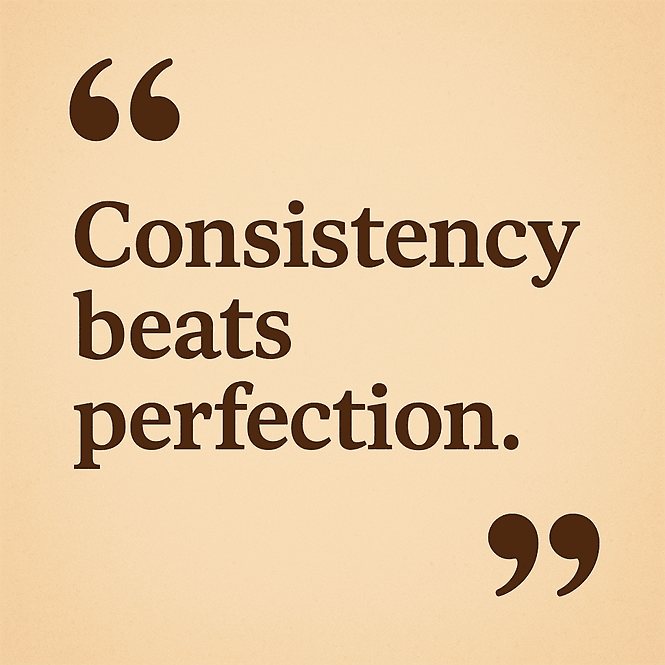
A daily practice of taking care of oneself is not about being perfect — it’s about making progress. A little bit of consistency can improve both your mental and physical health.
Begin with what you can take on today. Drink more water. Breathe deeply. Disconnect for a few minutes. Every little bit of self-care you do will help accumulate.
To keep the risk low, check out more guides on PoshFact and get your free Self-Care Checklist to create an easy routine that you will actually love!